

Design Movements. Pop Art
That very Campbell’s soup and the multicolored Marilyn.
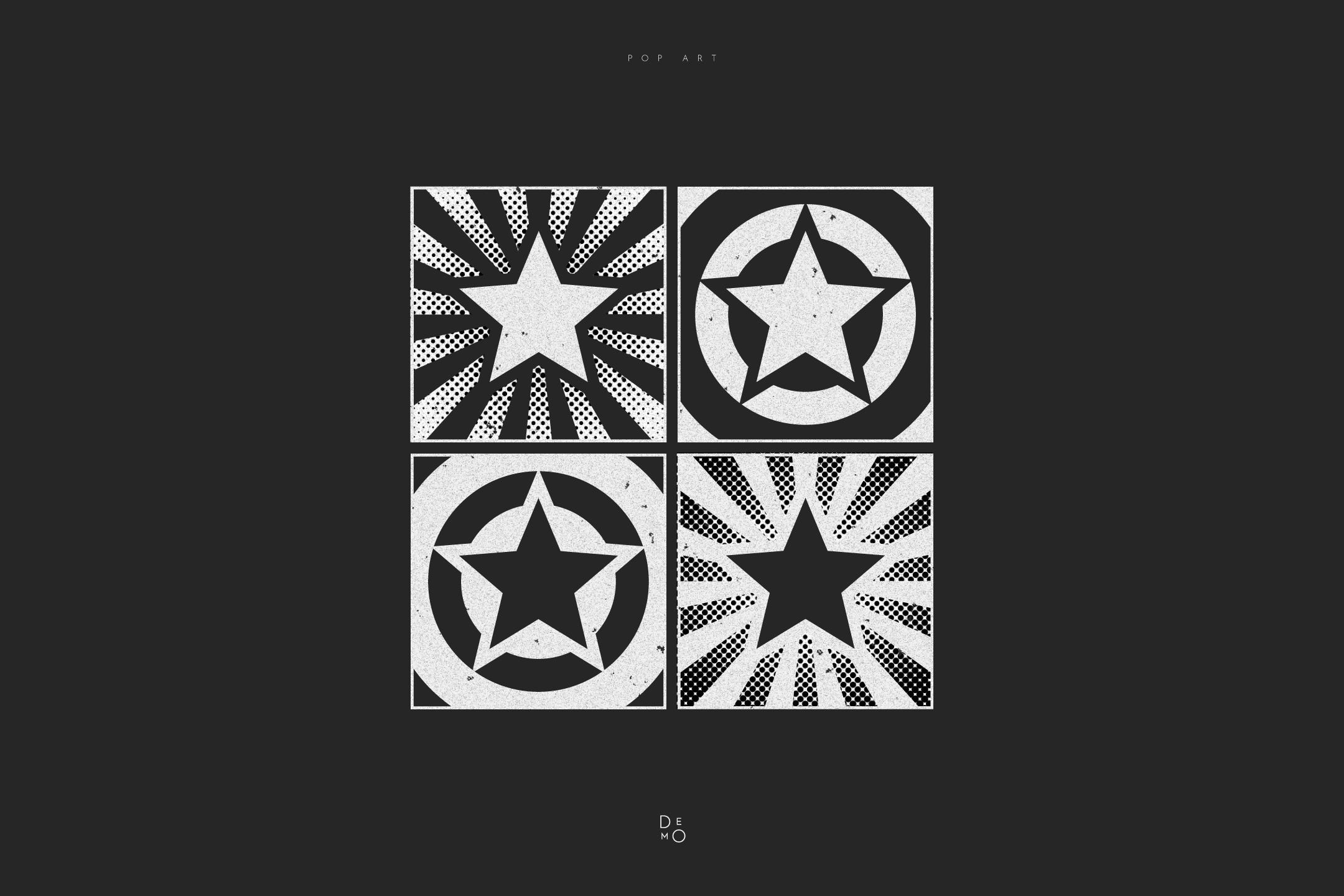
Pop art is often described as a reaction to abstract expressionism1—an art form deeply meaningful within professional circles but largely opaque to a broader audience. In the early 1950s, discussions within the British Independent Group2 began to shape the foundations of a new approach: working not with abstract forms, but with the visual language of everyday life—advertising, comics, packaging, television imagery. Art was meant to be simple, recognizable, and to speak directly to the mass viewer. This is how the term pop art took hold: popular art, quite literally “art that pops.”
In the 1960s, pop art flourished in the United States. Andy Warhol3, Roy Lichtenstein4, Jasper Johns5, and their contemporaries turned commercial imagery into artistic statements, erasing the boundary between high art and mass culture. A soup can, a movie star’s portrait, or a comic-strip frame became not illustrations, but independent objects of analysis and irony.
For design, pop art proved especially significant. Its visual language quickly moved into posters, magazine covers, advertising, and packaging, and later into interior design and fashion. Bold colors, large graphic forms, high-contrast patterns, repetition, and collage formed a toolkit that scaled easily and worked perfectly in mass production.
The influence of pop art extends far beyond the 1960s. It directly shaped Italian radical design, the Memphis movement, and postmodern graphic design of the 1980s—and today it’s clearly visible in digital culture, branding, and visual memes.



Abstract Expressionism is a post–World War II art movement in American painting, developed in New York City in the 1940s, characterized by its emphasis on spontaneous, subconscious creation and diverse techniques like action painting and color field. → Read more on Wikipedia
Independent Group (or British Independent Group) was a collective of artists, architects, and critics that met at the Institute of Contemporary Arts in London from 1952 to 1955. → Read more on Wikipedia
Andy Warhol (1928–1987) was an American artist, film director, and producer who was a leading figure in the Pop Art. → Read more on Wikipedia
Roy Lichtenstein (1923–1997) was an American pop artist who became a leading figure in the new art movement, best known for his works inspired by comic strips and advertisements, characterized by their use of bold outlines and Ben-Day dots. → Read more on Wikipedia
Jasper Johns (born 1930) is an American painter, sculptor, and printmaker whose work associated with abstract expressionism, Neo-Dada, and pop art occupies a crucial position in the shift from modernism to postmodernism, famous for his depictions of flags, targets, and numbers. → Read more on Wikipedia