

Design Movements. Art Deco
Design at the intersection of jazz and futurism.
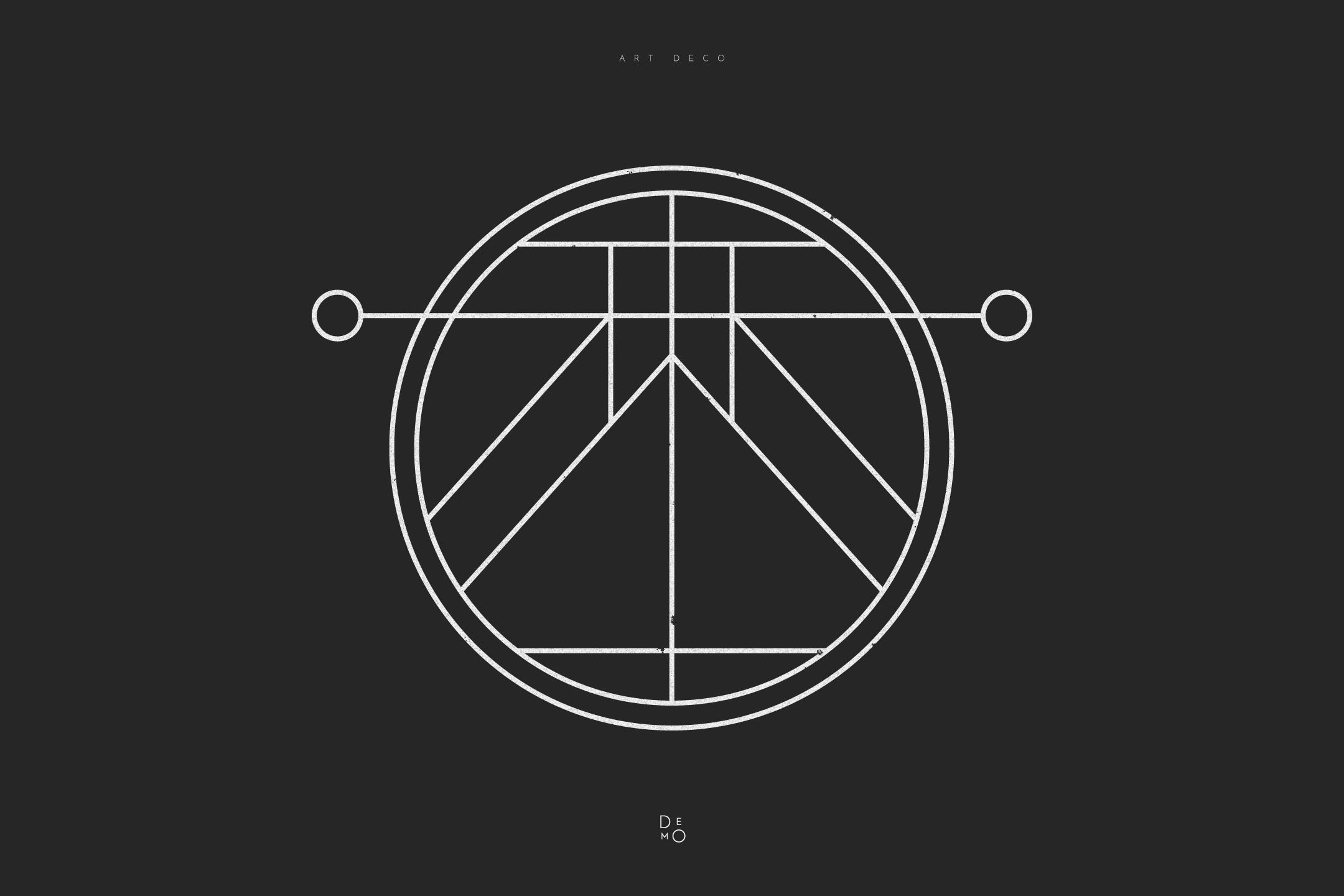
A style that embodied the luxury of the Jazz Age1 and the early 20th century’s faith in technological progress. Art Deco absorbed elements of Cubism2, Neo-Gothic3, Constructivism, and Futurism4, as well as ethnic motifs from Ancient Egypt, Africa, and Mesoamerica—interests fueled by major archaeological discoveries of the time. Despite this eclectic mix, Art Deco is instantly recognizable by a set of defining traits:
Clear geometric forms—zigzags, stepped silhouettes.
A strong pull toward symmetry and repetition.
High-contrast color palettes: gold and black, silver and deep blue.
Luxurious materials: chrome, glass, enamel, ivory, ebony.
The style found expression in architecture, furniture, graphic design, and jewelry. It managed to combine rich decorative detail with modern industrial technology, making design feel both opulent and contemporary.
After World War II, Art Deco gave way to more functional modernist movements. Yet its motifs are still widely used in graphics, product design, and interiors today, creating the distinctive atmosphere of a warm, carefully crafted retro chic rooted in the 1920s and 1930s.



Jazz Age was a period in the 1920s and 1930s in which jazz music and dance styles rapidly gained nationwide popularity in the United States, reflecting the era’s cultural shift toward modernism, youth culture, and the pursuit of pleasure during the Roaring Twenties. → Read more on Wikipedia
Cubism was a revolutionary avant-garde art movement of the early 20th century, pioneered by Pablo Picasso and Georges Braque, that revolutionized European painting and sculpture by breaking objects and figures down into distinct planes and geometric shapes to represent them from multiple viewpoints simultaneously. → Read more on Wikipedia
Gothic Revival (also referred to as Neo-Gothic) is an architectural movement that began in the late 1740s in England, seeking to revive medieval Gothic forms, characterized by pointed arches, flying buttresses, and ornate tracery as a reaction against the neoclassical styles of the time. → Read more on Wikipedia
Futurism was an artistic and social movement that originated in Italy in the early 20th century, emphasizing dynamism, speed, technology, youth, and violence, as well as objects such as the car, the airplane, and the industrial city. → Read more on Wikipedia
Ah, Art Deco is my love. I always think of Poirot with David Suchet, when I see some of these beautiful pieces. 🤩