Design Legends. Alan Fletcher
A Master of Visual Wit. (1931–2006)
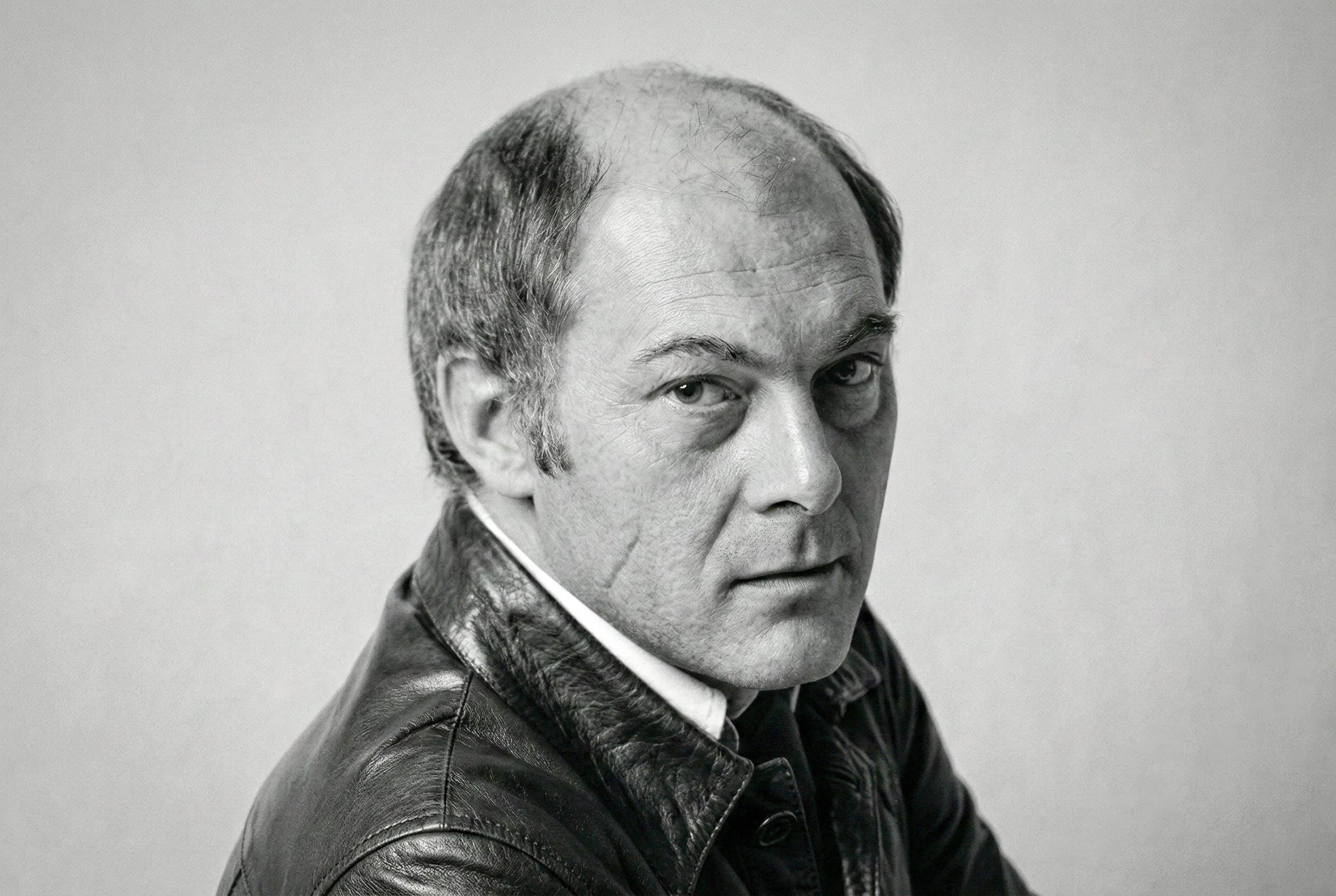

He was one of the figures who helped define the modern visual vernacular of branding. After graduating from the Royal College of Art, he cut his teeth in the US under titans like Paul Rand and Saul Bass—a formative experience that sharpened his creative edge. In 1962, he co-founded the studio that would eventually evolve into the legendary Pentagram, forever changing the blueprint of the modern creative agency.
Fletcher’s style was a sophisticated blend of European rigor and American spontaneity, where design was always an intellectual game. His iconic logo for the Victoria and Albert Museum, where an ampersand elegantly replaces part of the letter “A”, remains the gold standard for the visual pun. It is a masterclass in how “less” truly becomes “more” through clever reduction. Fletcher famously maintained that design was not a thing, but an attitude. He often leaned into handwritten typography and collage, ensuring his work kept a vibrant “human voice” even in an era of clinical digital precision.
He distilled his unique philosophy into “The Art of Looking Sideways”—a monumental anthology of perception that teaches one how to find connections between seemingly disparate things. Fletcher urged his students to practice “mental acrobatics”, believing the mind should manipulate reality to avoid the trap of the obvious. For him, there was no boundary between work and life: a scrap of newspaper or a piece of odd packaging was simply grist for the mill of a new idea or a well-timed joke.